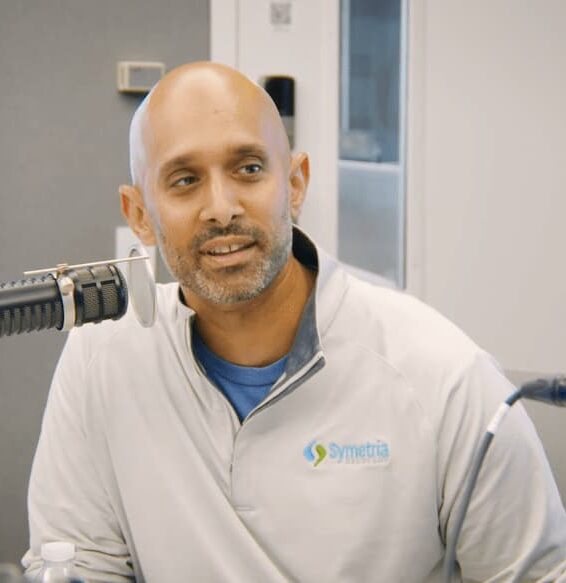
Masroor Ahmed on iHeartMedia's CEOs You Should Know
In an episode of CEOs You Should Know by iHeartMedia Chicago, Symetria Recovery CEO Masroor Ahmed sits down…
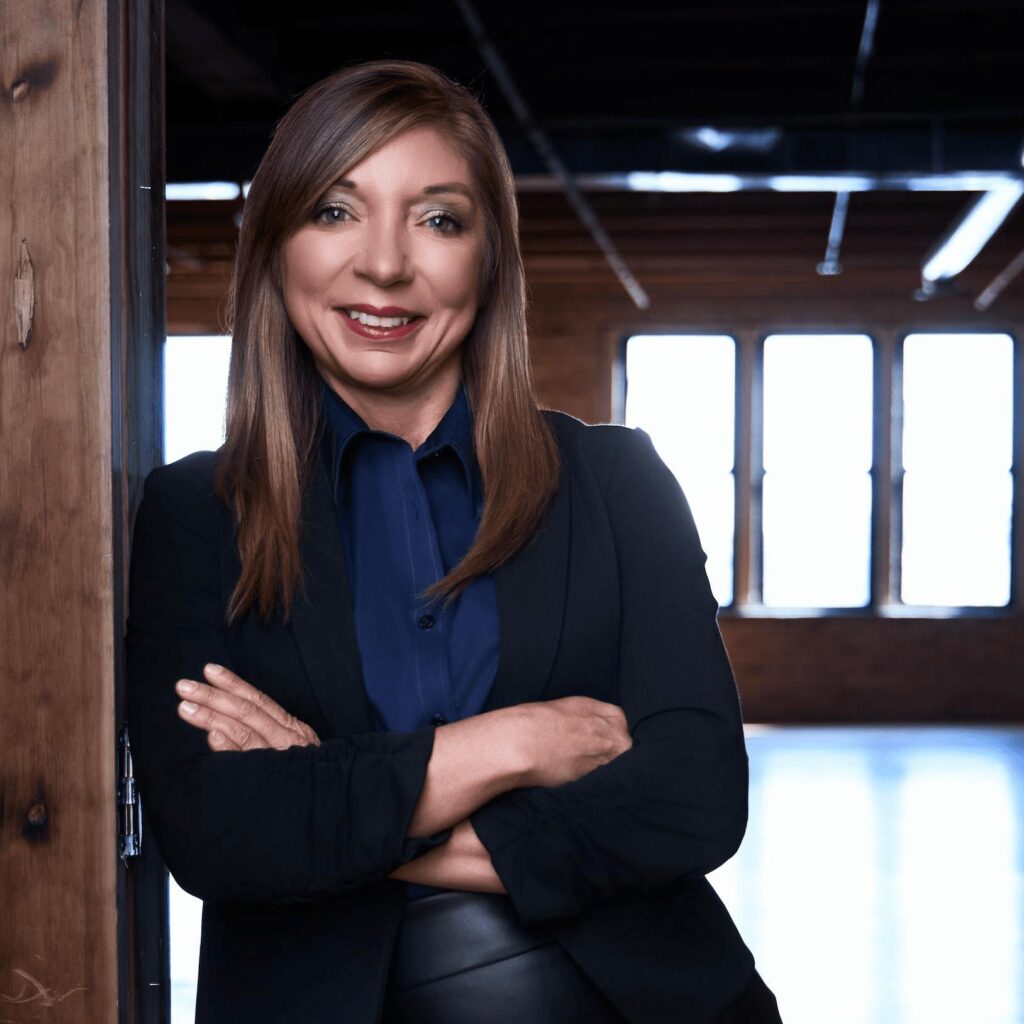
Lea McMahon, LPC, EdD, serves as Chief Operating and Clinical Officer at Symetria Recovery. She holds a Doctorate of Education from Argosy University and Licensed Professional Counselor credentials in Texas and Louisiana. With 24 years of experience in behavioral health and addiction treatment, Lea designed and built the clinical model Symetria uses today and led the organization's adoption of its harm reduction philosophy. She previously held Corporate Compliance Director positions at Elements Behavioral Health and Groups Recovery Together, and has taught psychology, humanities, and organizational leadership at Columbia College since 2013.
Read Less →Cocaine is a highly addictive drug that can cause an overdose in some people, even during their first dose. Used consistently, this drug can lead to dependence and tolerance, increasing the risk of overdose. If your loved one is using this drug and you’re concerned about a cocaine overdose, don’t wait to get them help. An overdose is a life-threatening medical emergency requiring immediate help. Then, reach out to our cocaine addiction rehab at Symetria Recovery which can change their future and protect their life.
If someone may be overdosing right now, call 911. If you’re unsure, call anyway. Some of the most common signs of cocaine overdose include:
In addition to this, a person may feel intense anxiety, panic, and delirium. They may display signs of paranoia. These are also signs of overdose that warrant immediate medical support.
Any type of cocaine use can put a person at a higher risk of overdose. Overdose is a situation in which the body is overwhelmed by the presence of the drug and cannot function normally. A person’s heart could stop. They could lose consciousness. All of this happens because of having too much toxin in the body.
Many people with cocaine addiction are in this position. For those using cocaine, it is common to need to use more of the drug over time as tolerance builds. That means to feel the same type of high and increased energy, a person may use more of the drug or use it more frequently. This leads to overdose risks.
Keep in mind that cocaine is highly addictive and often causes dependence. When a person is dependent on the drug, it is tough – if not impossible – for them to stop using it. Doing so may lead to intense symptoms, including difficulty sleeping, intense pain, and aggressive outbursts. Some people may also feel agitation and experience mood swings. Dependence happens when the brain becomes used to the drug and, as a result, needs the drug to be present to work properly.
Recognize the risks of cocaine abuse. If you continue to use these substances, even at low doses, your body and brain may develop dependence. At that point, professional treatment is essential.
Don’t wait until there is the onset of cocaine overdose to get help. The sooner you reach out for immediate help, the better your chances are of overcoming this disease. At Symetria Recovery, we offer a wide range of resources to support you in this process. That includes both psychiatric and medical support to enable the best possible outcome. You simply do not know when there will be a need for more comprehensive help due to an overdose.
In our treatment center, there’s no risk of judgment. Our team is here to support you as you work on the healing process. Take the time now to get to know our services and programs:
If you’re worried about a loved one struggling with a cocaine overdose, there’s a real need to get help immediately. Even if an overdose isn’t happening, a person using cocaine may have a serious need for addiction treatment. Cocaine addiction is a disease that has effective treatment options. It requires someone to reach out for help. You can do that for your loved one by calling Symetria Recovery.
Outpatient cocaine addiction rehab locations across Illinois and Texas.
Illinois
Texas
Inpatient rehab cuts you off from your life for weeks, then expects you to cope without any support when you go back. That’s why 40-60% of people go back to using within 6 months after inpatient rehab ends. Here, 89% of patients still aren’t using two years later. It really works.
The science is clear. To stay sober, you need to address both the physical and mental components of addiction. You also need diagnosis and treatment for underlying issues – like trauma or depression. Treatment here follows the science, applied with love and without judgment.
Inpatient rehab 30-day stays isn’t enough, but it’s also too long to miss out on your life. When you come in, you’ll understand why patients keep coming back. Some for 6 months. Others for 2 years. Get all the support you need until you really can handle it on your own.
Everything You Need to Stay Well
All you have to do is show up. You have access to all evidence-based medications AND therapies here, until you find what works for you and you got this on your own.
You get anti-craving medications to feel better right away if you’re struggling with withdrawals or ready for Vivitrol. You can stay on medications or make a plan to get off.
If you’re struggling with issues like depression, anxiety or sleep, you can meet with the psychiatrist.
You have your first one-on-one counseling session to talk honestly about what’s going on. There’s no judgment, so no need to lie your way through.
You set a schedule for further group and one-on-one therapies.
Your first appointment usually takes a few hours, but can is also up to how quick or in-depth you want to go on day one.
Check in with the medical team to ensure you find the right medications or combination of medications that work for you.
Includes anti-cravings for addiction, as well as mental health medications that help rebalance the brain like antidepressants.
Therapy is unlimited. Come in whenever you’re feeling triggered and bring family if you need to resolve tension.
Attend group therapy with morning and evening options to accommodate work schedules.
Stay a patient as long as you want. Most people are still coming in at least once a month nine months later, but there’s no rules on commitment.
All you have to do is show up. You have access to all evidence-based medications AND therapies here, until you find what works for you and you got this on your own.
What to Read Next
All you have to do is show up. You have access to all evidence-based medications AND therapies here, until you find what works for you and you got this on your own.
Stopping alcohol cold-turkey is dangerous. We’ll talk about your situation and options before you come in. But, clearing alcohol out of your system doesn’t stop the mental torture.
Naltrexone is usually the first choice, given in the form of a monthly shot (Vivitrol). Acamprosate (Campral) is another FDA-approved option. [Disulfiram (Antabuse) is FDA-approved, but rarely a good choice]. Off-label medications show promising research like Topiramate (Topamax, Qudexy), Baclofen (Lioresal), Ondansetron (Zuplenz, Zofran), Sertraline (Zoloft), Varenicline (Chantix) or even Gabapentin. Work with your medical team to find the medication or combination of medications that actually help you.
Cognitive Behavioral Therapy (CBT) is backed by hundreds of research studies as the best method for treating alcohol issues. The focus is on changing destructive thought patterns. Motivational interviewing is another evidence-based therapy used here. These methods treat underlying issues too (like depression, anxiety or trauma). Alcohol therapy groups meet in the mornings, evenings and virtually — usually for 3 hours. One-on-one alcoholism therapy is scheduled throughout the week.
For opiates, get medications to stop withdrawal right away. Drugs like meth, cocaine or marijuana don’t have as intense withdrawals, but we can talk about relief if you are feeling bad.
Opioid addictions (like heroin, OxyContin, Vicodin and Fentanyl) have several FDA-Approved options. Suboxone (Buprenorphine / Naloxone) is recommended by all by major health organizations. Methadone is for severe cases where Suboxone hasn’t worked. The Vivitrol shot (Naltrexone) is a non-addictive option for opiates and all other drug additions. Mental health medications like antianxieties or sleep regulators can also be help in stabilizing the brain and build healthy mental habits.
CBT and DBT therapy in a group setting tends to be more helpful than one-on-one for drug addiction because advice and accountability comes from people that are going through it too. Eventually, your own story becomes the reason someone stayed sober and that’s a powerful moment. Three sessions of three hours each and a one hour one-on-one therapy group per week is recommended, but more is always more helpful to compare to inpatient rehab.


Same-day appointments. Full insurance coverage. No judgment.
Fill out the confidential form and take your first step with Symetria today.
We respond within 1 business day. Your information is 100% confidential and HIPAA compliant.