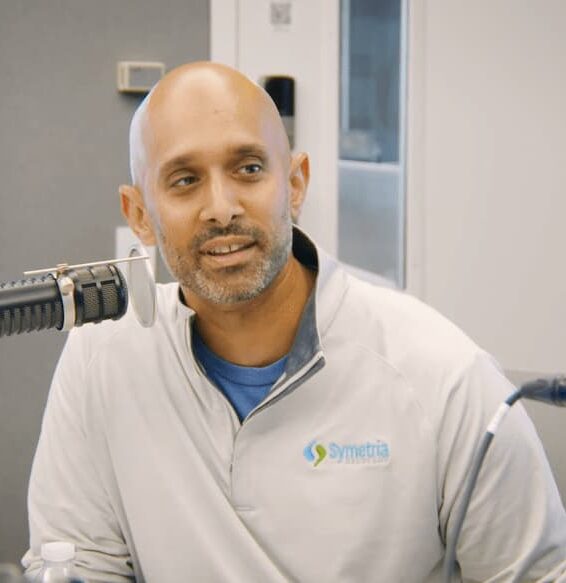
Masroor Ahmed on iHeartMedia's CEOs You Should Know
In an episode of CEOs You Should Know by iHeartMedia Chicago, Symetria Recovery CEO Masroor Ahmed sits down…


 Medically reviewed by Erika Steinbrenner
Lea McMahon, LPC, EdD, serves as Chief Operating and Clinical Officer at Symetria Recovery. She holds a Doctorate of Education from Argosy University and Licensed Professional Counselor credentials in Texas and Louisiana. With 24 years of experience in behavioral health and addiction treatment, Lea designed and built the clinical model Symetria uses today and led the organization's adoption of its harm reduction philosophy. She previously held Corporate Compliance Director positions at Elements Behavioral Health and Groups Recovery Together, and has taught psychology, humanities, and organizational leadership at Columbia College since 2013.
Read Less →This information is provided for educational purposes only and is not intended to replace individualized medical guidance from a qualified healthcare professional. It should not be used to diagnose yourself or others. Only a qualified healthcare professional can diagnose Opioid Use Disorder (OUD). If you or a loved one may be experiencing signs of OUD, please reach out to a medical professional for a proper evaluation.
The changes are subtle at first, but when you start paying attention, you notice money problems, missed work, mood swings, and unusual sleep patterns. You know not to jump to conclusions, but something is niggling at you, and things feel off.
You’re concerned about a loved one and you’re looking for signs of struggling with opioid addiction in Chicago. The truth is, you’ve probably noticed a few, and you want confirmation. Is it normal stress? Or is it something more serious?
You’re doing the right thing by checking for signs, as Opioid Use Disorder (OUD) is a serious condition that slowly develops over time. Knowing which signs to look for will help you better support your loved one and possibly help save their life.
Substance use can happen to anyone. You need to know how to identify the signs of OUD early when you’re concerned about a loved one. Note that not all changes indicate your loved one is struggling with addiction, and it’s important to look for patterns and trends instead.
A sudden change in mood or energy can result from many things. Major life changes, hormonal shifts, high-pressure jobs, or even a nutritional imbalance. It’s when the energy drop becomes unusual and paired with other symptoms that you should pay closer attention. Look for signs such as:
In isolation, a drop in mood or energy might just signal a bad day. When your loved one is in treatment, such as MOUD, they might also show signs of fatigue and irritability. These signs may point to struggles with opioid addiction, and in Chicago, there are resources to help you confirm this.
OUD shows in the body, and you can pick up signs within seconds. Constricted or “pinpoint” pupils are one of the most recognizable signs of recent opioid use or intoxication Chicago residents should know about.
It’s important to understand that constricted pupils indicate that someone has recently used an opioid: they don’t, on their own, confirm a pattern of addiction. If your loved one is currently taking opioids as part of a prescribed treatment plan, some degree of pupil constriction can be expected and is not cause for alarm.
Where it becomes urgent is when constricted pupils appear alongside other physical signs such as slurred speech, slow or shallow breathing, clamminess, or unresponsiveness. This combination may indicate an opioid overdose, which is a medical emergency. Call 911 immediately if you observe these signs together.
If your loved one is usually unguarded and open and suddenly becomes secretive, it might be a sign that they feel ashamed about something. Signs to look for include guarding phone use and locking the bedroom or bathroom door when they usually don’t. You might notice them disappear for stretches of time without explanation.
OUD is known as a sleep disruptor. Research shows that individuals who have OUD are more likely to have a sleep disorder than the general public. You might notice sleeping at odd hours or extreme fatigue.
Financial stress alone doesn’t point to OUD. If you notice unexplained financial stress, such as excessive borrowing or frequent small cash withdrawals, this may be worth a compassionate conversation. Avoid monitoring or investigating without your loved one’s knowledge, as this can damage trust.
In some cases, a person struggling with OUD may seek opioid prescriptions from more than one provider. However, this behavior can also reflect undertreated pain or gaps in care coordination. If you suspect this may be happening, encourage your loved one to work with a single treatment team who can provide comprehensive, coordinated care.
Experts recommend that medical teams build a good rapport with their patients to reduce the possibility of overprescribing. Prescription Drug Monitoring Programs (PDMPs) help medical teams identify and address these patterns safely.
Your loved one is not only forgetting important events but also doesn’t seem concerned about the fallout. They might miss work, social appointments, and special events. You’re likely to also see them withdraw from family and friends.
According to the Diagnostic and Statistical Manual of Mental Disorders, Fifth Edition, Text Revision (DSM-5-TR), clinicians diagnose OUD when a person meets at least two of eleven specific criteria within a 12-month period. The severity is classified as mild (2–3 criteria), moderate (4–5), or severe (6 or more). These criteria fall into four broad areas:
When someone who uses opioids starts losing control, they use more opioids than intended. You notice that they’re trying to cut back, but they’re unable to. They spend all their time looking for opioids or going through withdrawals. Their inability to focus on anything but the opioids is a clear sign of addiction for Chicagoans.
The person keeps using opioids even when it causes trouble at work, school, or home, damages relationships, or leads them to give up activities they once enjoyed. They may continue using despite knowing it is harming their health.
You may see your loved one using opioids in situations where it is physically dangerous, such as driving or operating machinery while impaired.
With regular use, the body can get used to opioids, leading to tolerance and withdrawal symptoms if the drug is stopped. Physical dependence can happen to anyone taking opioids regularly, even when used exactly as prescribed for pain. Physical dependence alone does not mean someone is addicted. Addiction is defined by loss of control and compulsive use, not just by physical dependence.
As you support your loved one through a possible addiction, remind them that this is not a failure of character or willpower. Neuroscience research, including work supported by the National Institute on Drug Abuse, shows that repeated opioid exposure changes the brain’s reward, self-regulation, and stress circuits. Neurological changes help explain why stopping can feel overwhelming, even when your loved one genuinely wants to.
The Substance Abuse and Mental Health Services Administration (SAMHSA) defines opioid use disorder as a chronic but treatable medical condition. With the right support, your loved one can stabilize their health and regain control over their lives. Your local community forms part of your support network. In Chicago, shifts in the drug supply have made opioid use more unpredictable, and in some cases, more dangerous.
Where you live can influence your feeling worried about OUD for a loved one. In Chicago, and across Illinois, fentanyl is a steady influence in the local drug supply. The signs of going through opioid addiction can seem to be everywhere.
In Cook County, the age group most impacted by opioid overdose is 50- to 59-year-olds, who account for 27% of deaths. What makes opioid use in the Chicago area particularly dangerous is the unpredictability of the local drug supply. According to Cook County Health, fentanyl is commonly found in heroin, cocaine, counterfeit prescription pills, and other substances. This makes any use of unregulated drugs potentially fatal, even for people without a history of opioid use.
If your loved one is obtaining opioids through an illicit supplier, there’s no way to guarantee the quality or the potency of the ingredients. While the drug might look the same, it may not have the same effects as an FDA-approved medication. The unpredictability creates an overdose risk, even if your loved one has used opioids in the past.
Fentanyl is a fast-acting drug that has its effect on the body within minutes. Public health data shows that opioids play a large role in overdose-related deaths in Illinois, and the shift is likely why you feel compelled to intervene and provide support for your loved one. Knowing how to support your loved one and talk to them can go a long way in helping them seek out medical assistance.
Opioid addiction can make your loved one go through emotional cycles that include shame, which is something to consider before you approach them. At Symetria Recovery, we help loved ones in Chicago work through the signs of opioid addiction.
When it comes to the person using the opioid, we follow a respectful and dignified approach to addiction recovery through The Symetria Method®, a system of care that combines FDA-approved medications for opioid use disorder with individualized therapy, family counseling, and psychiatric support. You set your own recovery goals, and you’re never removed from care for continued use or setbacks. A few helpful ways to get your loved one’s attention and show your support include doing the following:
These conversations can be uncomfortable, but they’re worth having. Approaching your loved one with love and concern instead of judgment creates the kind of safety that makes change feel possible.
One of the major family concerns about opioid use you might have is how to know when their use tips over from being part of a treatment plan, to a real problem your loved one is facing. Facing possible OUD in your family or someone you care about can feel overwhelming. We answer some of the most pertinent questions families in your position ask.
Stressful situations tend to be temporary. Your loved one might face a career change or a personal issue, but once the situation changes, things go back to normal. Opioid use disorder follows a pattern over time, and you may notice symptoms that seem out of place for how they normally are.
Opioid symptoms start subtly, and you might notice changes to your loved one’s mood, sleep patterns, behavior, and financial situation. If they’re working through treatment, they might find it hard to cut back or show signs of withdrawal symptoms when there shouldn’t be any.
Yes. Opioid dependence and opioid addiction are related but distinct conditions. Understanding the difference matters, especially if you’re worried about someone you love.
Physical dependence means your loved one’s body has adapted to the medication, and if stopped suddenly, it can lead to withdrawal. This can happen when your loved one takes prescribed medication as intended.
Addiction happens when your loved one can no longer control their use, despite it causing harm. Dependence can occur without addiction, and for opioids, the two often occur together, but they are not the same thing.
Naloxone, often known by the brand name Narcan, is a medication that can reverse an opioid overdose in minutes. It is available over the counter at many pharmacies without a prescription, and no medical training is required to administer the nasal spray formulation.
If you or someone you love is living with opioid use disorder, having naloxone on hand can be a lifesaving precaution. The FDA recommends that health care professionals discuss naloxone with all patients being treated for opioid use disorder and strongly consider prescribing it.
Outpatient treatment can be enough if it combines Medication for Opioid Use Disorder (MOUD) and therapy. Outpatient treatment includes structured medical supervision, without being confined to an institution for weeks or months. This form of treatment provides your loved one with the flexibility to continue working and taking care of family responsibilities.
In many cases, treatment can start immediately. Some centers may have a waitlist, while others offer rapid treatment options. Opioid addictions can escalate quickly, and clinics aim to speed up the intake process.
Signs of opioid addiction may be subtle at first. You’re not sure whether you’re mistaking a possible problem for life stress, and that’s to be expected. You want the best for your loved one, but you’re noticing abnormal mood shifts and increased paranoia. Your loved one no longer wants to participate in everyday life, whether that’s going to work or joining the family on a fun excursion.
When the signs all point to a possible struggle with addiction, and you’re ready to have that conversation, address the behavior and how it makes you feel instead of shaming your loved one. Provide support where needed, but be clear in your boundaries.
When you need additional assistance or your loved one is ready to take the next step, the care team at Symetria Recovery is here to help. An intake appointment can be scheduled for the same day. Call (866) 287-5921 for a same-day appointment.


Same-day appointments. Full insurance coverage. No judgment.
Fill out the confidential form and take your first step with Symetria today.
We respond within 1 business day. Your information is 100% confidential and HIPAA compliant.