
Kratom & 7-OH Treatment
Dependent on kratom or 7-OH? You can stop — and start feeling better today. Our doctors use FDA-approved medication and one-on-one therapy to ease withdrawal and cravings, often the same day.
Same-day and next-day appointments available.

What Is Kratom & 7-OH?
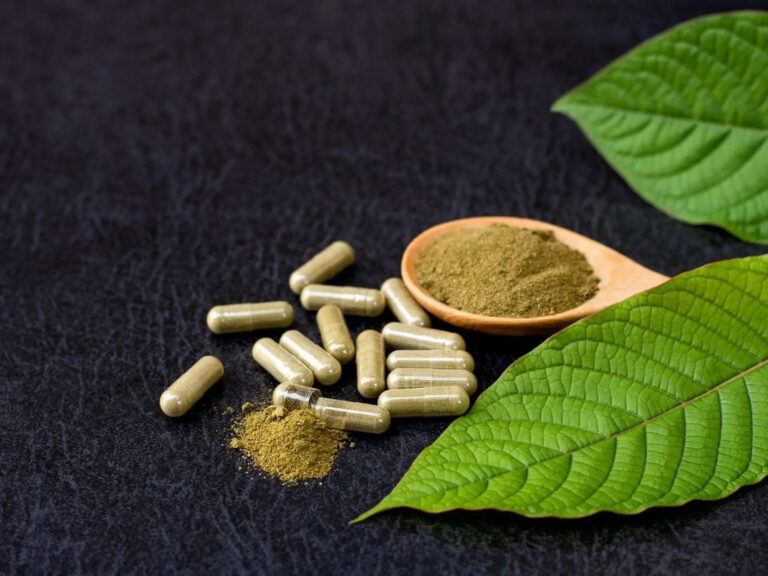
Kratom is a plant. 7-OH (7-hydroxymitragynine) is the compound inside it, which is now facing federal restriction. They’re related — but they’re not the same, and the difference is critical.
Kratom is a Southeast Asian plant whose natural leaves contain only trace amounts of 7-OH. The leaf isn’t what’s driving the harm.
The concern is newer, concentrated 7-OH products—tablets, shots, and extracts sold in smoke shops and gas stations—that contain the compound at levels far higher than anything found in nature. This is the form that acts like an opioid, can drive severe dependence, and is now the target of federal Schedule I action. Everyday kratom leaf isn’t what regulators are moving against. Concentrated 7-OH is.
The FDA reports that 7-OH binds to the same brain receptors as morphine and other opioids and, for some effects—including slowed breathing—is more potent. Because it works like an opioid, regular use can lead to dependence, and stopping can cause opioid-like withdrawal.
If you’ve come to rely on kratom or 7-OH to feel normal or avoid withdrawal, that isn’t a lack of willpower. It’s how these compounds affect the brain. And it’s treatable.
What 7-OH Looks Like — and What It's Called
Tablets
Brightly colored pills in blister packs. One "serving" may be several tablets.

Shots
Small liquid bottles sold and marketed like energy shots.

Gummies & Candy
Fruit-flavored, in eye-catching packaging that looks like ordinary candy.
Vapes
Disposable pens and cartridges filled with 7-OH e-liquid, inhaled for near-instant effects.
Powders & Extracts
Loose powder or concentrated extract stirred into drinks.
Start Kratom & 7-OH Treatment at Any Illinois Clinic
All Symetria Illinois rehab clinics are licensed to prescribe Methadone and Suboxone® (buprenorphine/naloxone). Same-day medication access available.

Chicago
Lakeview / Northside3934 N Lincoln Ave, Chicago, IL 60613
Methadone Suboxone IOP Outpatient
Open Mon-Sat
View Chicago Clinic 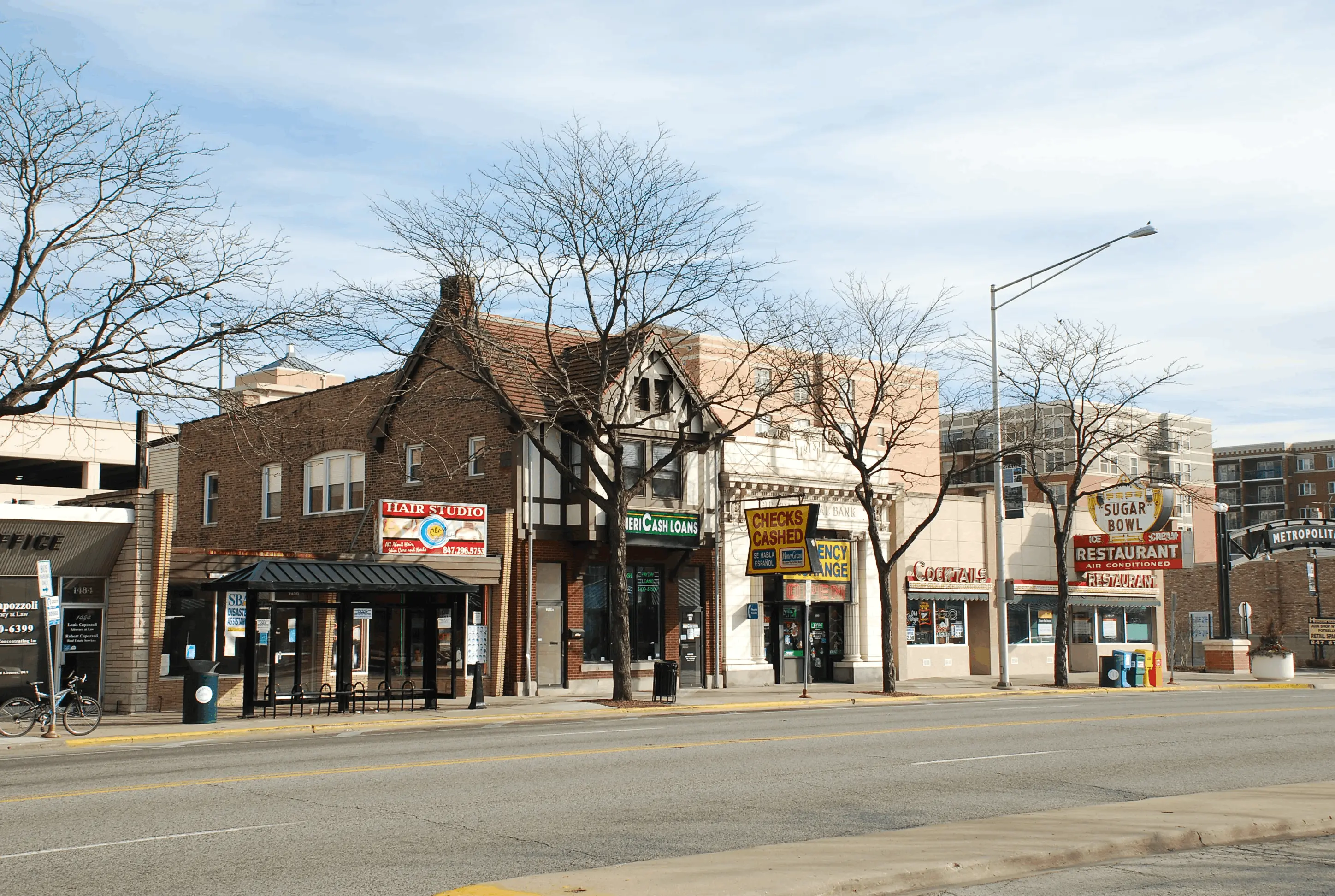
Des Plaines
North Suburb1460 Market St # 300, Des Plaines, IL 60016
Methadone Suboxone IOP Outpatient
Open Mon-Sat
View Des Plaines Clinic 
Vernon Hills
North Suburb830 West End Ct Ste 900, Vernon Hills, IL 60061
Methadone Suboxone IOP Outpatient
Open Mon-Sat
View Vernon Hills Clinic 
Joliet
Southwest Suburb229 N Hammes Ave, Joliet, IL 60435
Methadone Suboxone IOP Outpatient
Open Mon-Sat
View Joliet Clinic 
Naperville
West Suburb28373 Davis Pkwy, STE 500, Warrenville, IL 60555
Methadone Suboxone IOP Outpatient
Open Mon-Sat
View Naperville Clinic 
Palos Heights
South Suburb1925 S Harlem Ave, Palos Heights, IL 60463
Methadone Suboxone IOP Outpatient
Open Mon-Sat
View Palos Heights Clinic 
How We Treat Kratom & 7-OH
You don’t have to feel sick while waiting for help. Our outpatient clinics offer same-day access to medication, so you can start feeling better today. Because treatment is outpatient, you can continue working and living at home while you recover.
Medication that fits you
Your provider will build a plan around your history and goals and adjust it over time. No one-size-fits-all protocol, no judgment.
Methadone — can often be started the same day, including for someone who used that morning, and is a strong fit for more severe dependence or co-occurring chronic pain.
Suboxone® (buprenorphine) — eases kratom and 7-OH cravings and withdrawal. Depending on when you last used, your provider may start it right away or phase it in gradually first.
Additional FDA-approved medications — your provider will determine what's right for you.
Outpatient Support Programs
Medication is just one part of recovery. Depending on how much structure you need, we also offer:
Group therapy — peer-supported recovery sessions
✓ Individual counseling — one-on-one with your care team
✓ Intensive Outpatient Program (IOP) — structured support for those who need more
✓ Psychiatry — for co-occurring depression, anxiety, or other conditions
Why Symetria for Kratom & 7-OH
Kratom and 7-OH act on the same receptors as other opioids, which means the same proven, evidence-based approaches used for opioid recovery can help.
✓ FDA-approved medication for cravings and withdrawal
✓ Same-day and next-day appointments
✓ CARF-accredited care
✓ Unlimited one-on-one therapy
Illinois Licensing
- IL Dept. of Human Services Licensed
- CARF Accredited Facilities
- DEA Registered for Controlled Substances
Insurance Accepted
We work with most major insurance providers. Check your coverage in minutes.







Note: We accept commercial insurance and Medicare at Illinois locations. Coverage varies by plan. Self-pay available at all locations. Call us to discuss your options: 866-287-5921.
Frequently Asked Questions About Kratom & 7-OH
What to know before starting outpatient addiction treatment in Illinois
What’s the difference between kratom and 7-OH?
Kratom is the plant. 7-OH is the concentrated compound facing federal Schedule I action; the leaf isn't the target, concentrated 7-OH products are.
Are all kratom products the same?
No — traditional leaf is relatively mild; the shots, tablets, vapes, and extracts are concentrated 7-OH and behave like opioids.
Is kratom going away?
Not kratom itself — but concentrated 7-OH is. In July 2026, the DEA moved to place concentrated 7-OH (above a set threshold) and three synthetic 7-OH derivatives into Schedule I of the Controlled Substances Act, the same category as other tightly restricted drugs. Ordinary kratom leaf, which contains only trace natural amounts of 7-OH, isn't the target of that action. For people who depend on 7-OH products, the practical concern is what happens when the supply disappears — and that's exactly when it helps to have a medical plan in place rather than facing withdrawal alone.
What are the street names for kratom and 7-OH?
Concentrated 7-OH products go by names like "gas station heroin," "natural O," "herbal speedball," or just "seven." Just as often they aren't sold under a slang name at all — they're labeled to look legitimate: "kratom extract," "plant alkaloids," "alkaloid tablets," or "energy boosters." That labeling is the part to watch. A product marketed as "kratom extract" at a gas station counter is usually concentrated 7-OH, not the mild leaf. Whatever the package says, if you've come to rely on it, the treatment is the same.
Is kratom or 7-OH addictive?
Yes. Kratom contains compounds — including mitragynine and 7-OH (7-hydroxymitragynine) — that act on the same brain receptors as opioids. That's not a failure of willpower — it's how these compounds work. And it's treatable with FDA-approved medications used for opioid use disorder, such as:
Methadone — another option for controlling cravings and withdrawal, and a fit for those with more severe dependence or co-occurring chronic pain
Suboxone® (buprenorphine/naloxone) — eases kratom and 7-OH cravings and withdrawal, and can often be started right away
What are the side effects of kratom or 7-OH?
Effects depend on how much you take and what form you are using. Milder ones include nausea, vomiting, and constipation. Heavier or ongoing use can bring anxiety, insomnia, confusion, seizures, a racing heart, high blood pressure, drowsiness, and — most seriously — slowed breathing.
Kratom or 7-OH has been linked to liver problems in some people. If you notice yellowing skin or eyes, dark urine, or pain in your upper right side, stop use and seek medical care.
If you're worried about how kratom isaffecting you, that's worth a conversation with our medical team.
Does stopping kratom or 7-OH cause withdrawal?
Yes. Because your body can become dependent on kratom, stopping after regular use can bring on withdrawal that feels a lot like opioid withdrawal — restlessness, muscle aches, trouble sleeping, nausea, stomach cramps, sweating, diarrhea, irritability, watery eyes and runny nose, anxiety, and strong cravings. It is uncomfortable, but manageable with the right support.
When do kratom or 7-OH withdrawal symptoms start?
Most people notice the first symptoms within a day or two of their last use, though the exact timing depends on how much you have been taking, how often, and your own body. Concentrated products tend to bring symptoms on sooner. The overall pattern follows what we see with other opioids.
Because concentrated kratom extracts and 7-OH products are relatively new, these timelines draw on limited case reports alongside clinical experience with opioid withdrawal.
How long does kratom or 7-OH withdrawal last?
For most people, the hardest part lasts about 1 to 3 days, though it can stretch to a week or more. Everyone's timeline is a little different — and you don't have to get through it alone.
Can I detox from kratom or 7-OH at home?
Coming off kratom or 7-OH on your own can be tough — the discomfort often drives people back to using, and there can be medical or psychiatric complications. You don't need an inpatient stay, though.
Outpatient treatment with medication support keeps you more comfortable and gives the change a better chance of holding, while you stay home and keep your routine.
How do I stop taking kratom or 7-OH safely?
Stopping cold on your own can trigger rough withdrawal. Our medical team can transition you gradually onto medication that eases withdrawal and cravings — as an outpatient, so you are never white-knuckling it, and without putting your life on pause. We set the pace around your history and how you are feeling.
How is kratom and 7-OH addiction treated?
With FDA-approved medications used for opioid use disorder:
Methadone — controls cravings and withdrawal, and a fit for those with more severe dependence or co-occurring chronic pain.
Suboxone® (buprenorphine/naloxone) — another option for easing kratom cravings and withdrawal, including from concentrated 7-OH products, and can often be started right away.
Your provider will recommend the right medication based on your history, how much you have been using, and what else is going on with your health.
Why choose Symetria Recovery for kratom treatment?
If you are ready to stop, we can help you start today. Our physicians use FDA-approved medications for opioid use disorder. For kratom dependence, either Methadone and buprenorphine treatment (Suboxone®) are the best-supported option, easing cravings and withdrawal and helping you feel steady while you focus on recovery. Depending on your history and needs, your provider may also consider methadone. Treatment is paired with our Intensive Outpatient Program (IOP), psychiatry, and unlimited one-on-one therapy.
There are not large clinical trials specific to kratom or 7-OH yet. But because both act on the same opioid receptors, clinicians treat kratom dependence using FDA-approved medications for opioid use disorder — particularly Methadone or buprenorphine-naloxone (Suboxone®). Case reports and clinical experience support this approach, and your provider will tailor treatment to your situation.
Take the First Step Today
Same-day appointments available at all Illinois rehab clinic locations. We'll call you back within minutes.
DAP - Get a Callback - Bottom Form
Used for pages like: sub-service-page-methadone
Or call now: 312-248-7478 |
 100% Confidential